Books I've Read
Detailed notes for each book I've read. This page will constantly update as I read more, so bookmark it if you want to check back in a few months. Heavily inspired by Derek Sivers' Notes
Sorted with my top recommendations up top. Sort by , , or .
I'm 20 years old, so my perspective on these books might be different from yours. I'm still figuring things out, and these notes reflect where I am right now.
My notes are not a summary of the book. They're the ideas, quotes, and insights I wanted to save for later reflection. Read the actual book for the full picture.
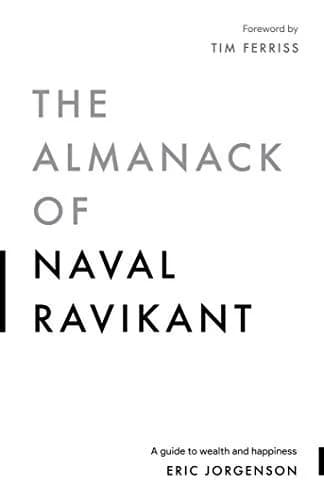
by Eric Jorgenson
Date read: 2024-12-09. How strongly I recommend it: 10/10
Most people rush the three decisions that shape their life; Naval makes you slow down before choosing wrong.
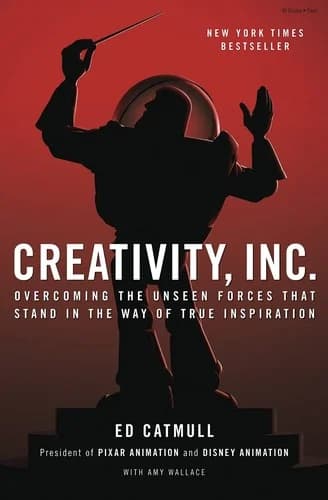
by Ed Catmull; Amy Wallace
Date read: 2024-11-26. How strongly I recommend it: 10/10
Pixar's co-founder argues a great team matters more than a great idea, and explains how to build one.
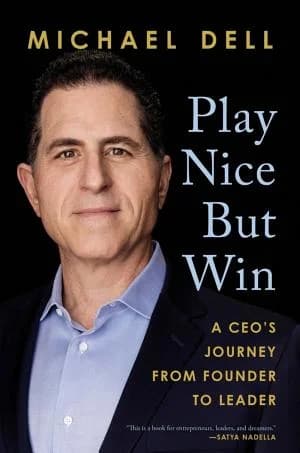
by Michael Dell
Date read: 2025-08-08. How strongly I recommend it: 10/10
Dell beat rivals with better tech by mastering operations first; the priority order most founders get backwards.
by Yvon Chouinard
Date read: 2026-05-19. How strongly I recommend it: 10/10
Patagonia's founder explains how treating quality and values as strategy outperforms chasing profit.
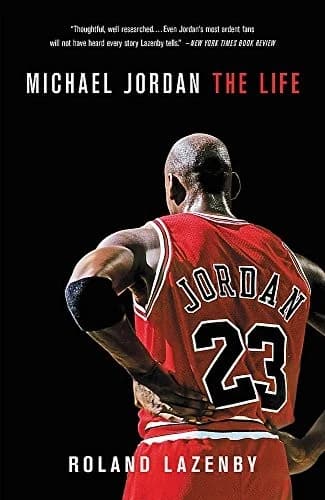
by Roland Lazenby
Date read: 2026-05-24. How strongly I recommend it: 10/10
Jordan's drive came from specific habits and pressures worth borrowing, not just raw talent.
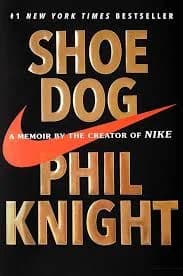
by Phil Knight
Date read: 2024-08-05. How strongly I recommend it: 10/10
Nike nearly died a dozen times; Knight's actual decisions show what separating a job from a calling costs.
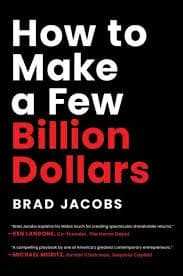
by Brad Jacobs
Date read: 2025-06-03. How strongly I recommend it: 10/10
A serial billionaire shares the hiring rules, deal filters, and leadership habits that actually built his companies.
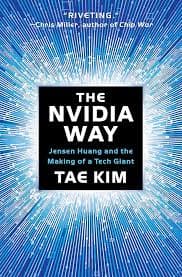
by Tae Kim
Date read: 2026-05-21. How strongly I recommend it: 10/10
How Nvidia built a structure where decisions move faster than competitors can plan.
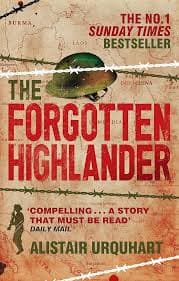
by Alistair Urquhart
Date read: 2026-05-20. How strongly I recommend it: 10/10
One man survived the Death Railway, a hellship, and Nagasaki; then danced five nights a week at 90.
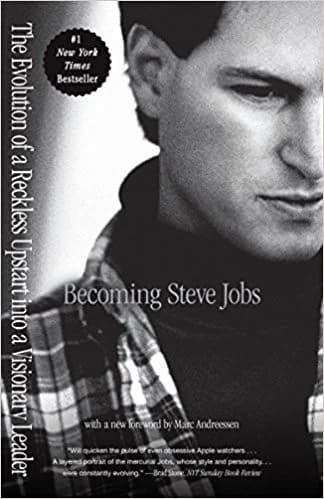
by Brent Schlender; Rick Tetzeli
Date read: 2025-01-21. How strongly I recommend it: 10/10
Jobs's best leadership lessons came from a decade of failure before his Apple comeback, not his famous wins.
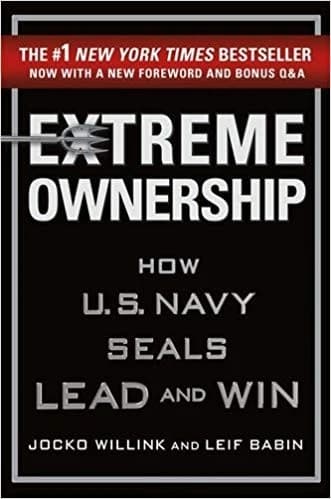
by Jocko Willink; Leif Babin
Date read: 2026-05-22. How strongly I recommend it: 10/10
If your team is struggling, this book argues the problem starts and ends with you.
by Charles T. Munger
Date read: 2025-05-19. How strongly I recommend it: 10/10
Munger made fewer decisions than most investors and better ones; here is how he thought.
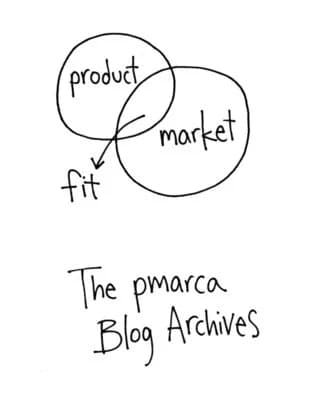
by Marc Andreessen
Date read: 2024-11-03. How strongly I recommend it: 10/10
Being top 25% at two skills beats chasing greatness at one, and Andreessen explains how to build that stack.

by Paul Graham
Date read: 2024-11-07. How strongly I recommend it: 10/10
If you're deciding whether to start something now or wait, Graham's notes make the tradeoffs concrete.
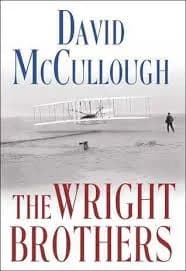
by David McCullough
Date read: 2025-10-16. How strongly I recommend it: 10/10
Two guys with no degrees beat the world to flight; their actual method is worth stealing.
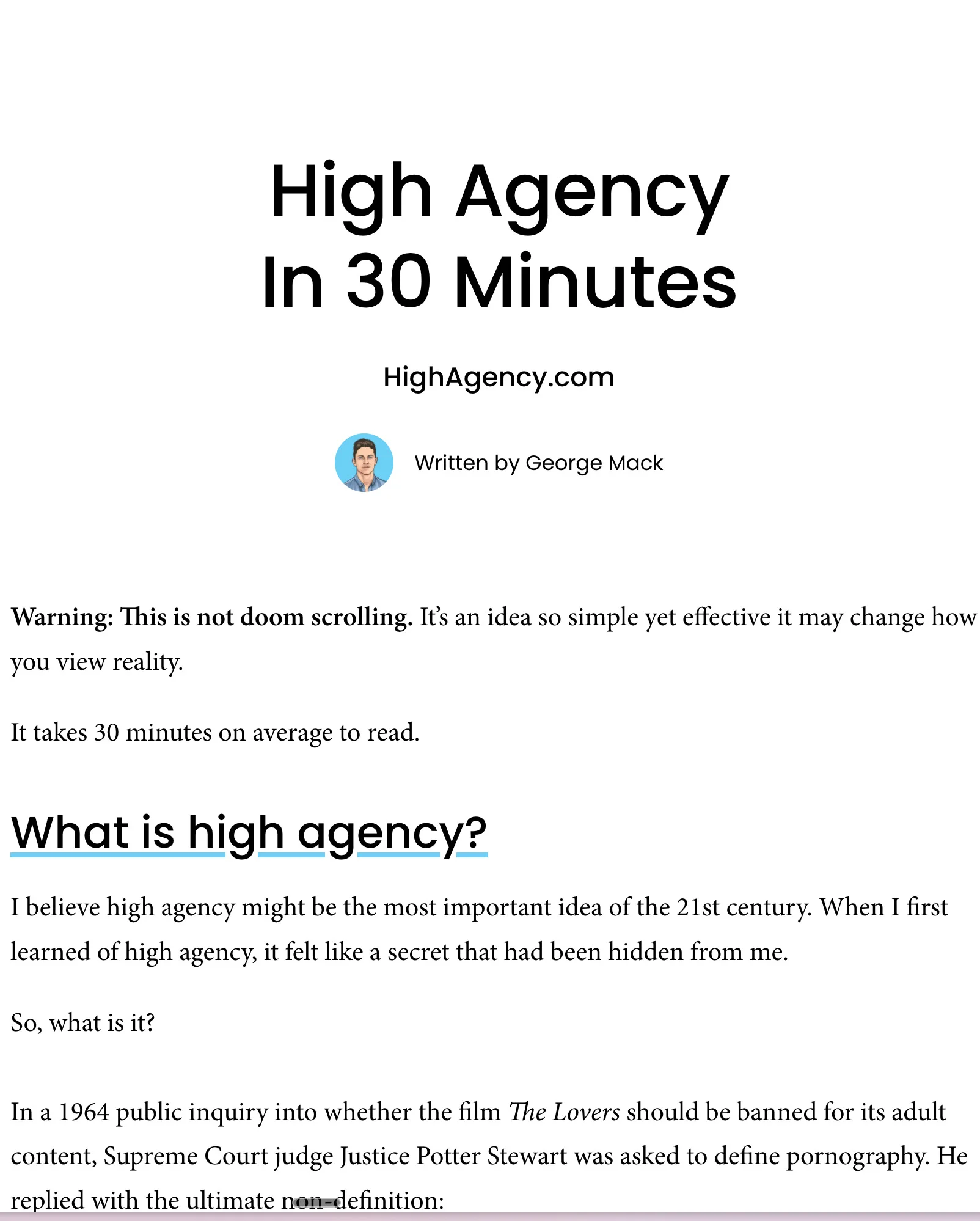
by George Mack
Date read: 2024-10-09. How strongly I recommend it: 10/10
One question, what would you do with 10x more agency, tends to unlock options you've been ignoring.
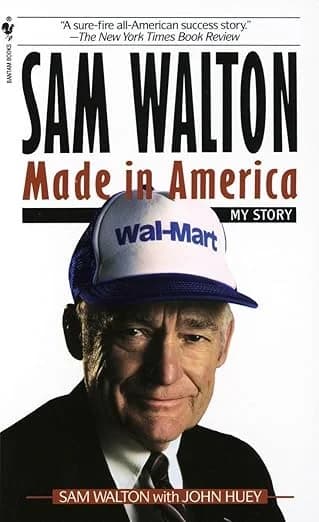
by Sam Walton; John Huey
Date read: 2025-02-11. How strongly I recommend it: 10/10
Sam Walton built the world's largest retailer by copying competitors and keeping costs lower than anyone thought possible.
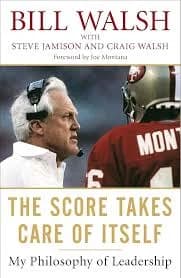
by Bill Walsh; Steve Jamison; Craig Walsh
Date read: 2025-07-06. How strongly I recommend it: 10/10
Walsh built a dynasty by treating small details as the real standard, long before the trophy arrived.
by Arnold Schwarzenegger
Date read: 2025-07-24. How strongly I recommend it: 9/10
Arnold used the same goal system for bodybuilding, movies, and governor; and it fits on an index card.
by Paul Graham
Date read: 2025-04-06. How strongly I recommend it: 9/10
The startup that picked the harder technical path kept copying competitors' features in days, not months.
by Ken Kocienda
Date read: 2026-05-23. How strongly I recommend it: 9/10
The iPhone keyboard engineer explains why showing real work beats describing ideas every time.

by Marcus Aurelius (trans. Gregory Hays)
Date read: 2024-07-15. How strongly I recommend it: 9/10
Marcus Aurelius ran an empire and kept a private journal to stay sane; the notes are short and still work.
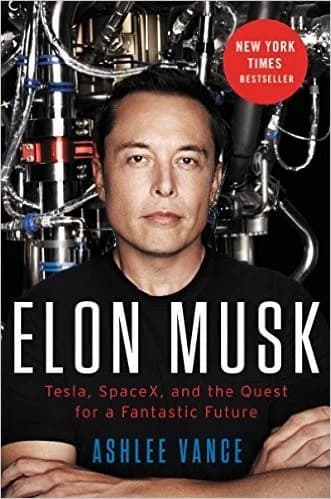
by Ashlee Vance
Date read: 2024-06-14. How strongly I recommend it: 9/10
Musk kept engineers next to welders on purpose; here's what that says about how he builds.
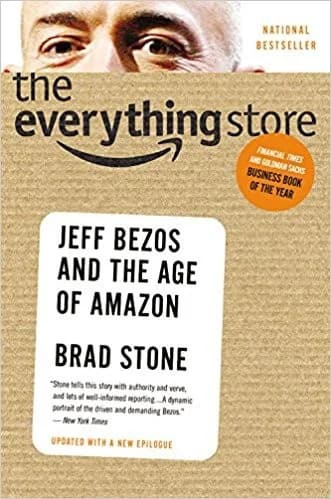
by Brad Stone
Date read: 2024-07-23. How strongly I recommend it: 9/10
How Bezos actually ran Amazon: small teams, slow decisions kill growth, and missionaries beat mercenaries.
by Sam Zell
Date read: 2026-05-17. How strongly I recommend it: 9/10
Sam Zell built a fortune on one rule: get paid for the risk you're taking, nothing more.
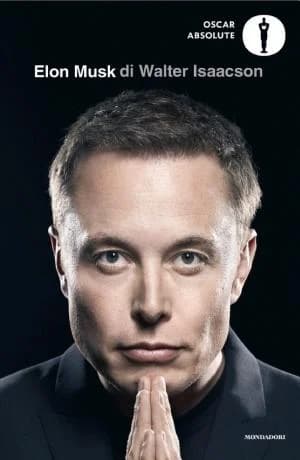
by Walter Isaacson
Date read: 2024-09-07. How strongly I recommend it: 9/10
Musk's actual operating rules, in order, explain why most people copy him wrong.
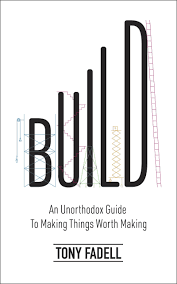
by Tony Fadell
Date read: 2026-05-18. How strongly I recommend it: 9/10
The creator of the iPod says start pitching investors before you need money, so you negotiate from strength.
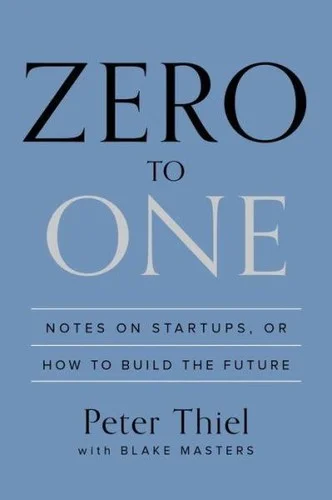
by Peter Thiel; Blake Masters
Date read: 2025-09-15. How strongly I recommend it: 9/10
Most startups fail at sales, not product; Thiel's framework explains why that distinction changes everything you build.
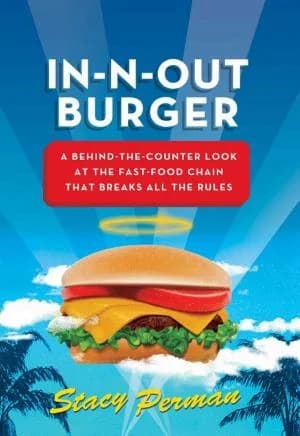
by Stacy Perman
Date read: 2025-09-29. How strongly I recommend it: 9/10
In-N-Out's founder never borrowed money to grow; and built more loyalty than chains twice its size.
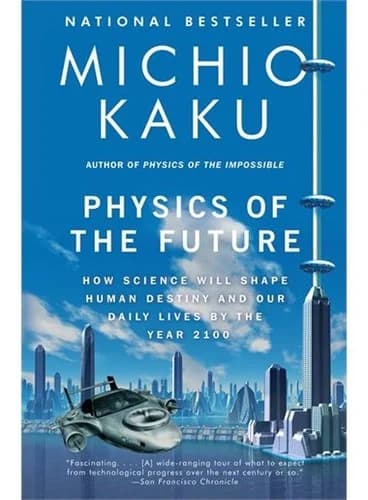
by Michio Kaku
Date read: 2024-10-14. How strongly I recommend it: 9/10
Kaku maps what AI, medicine, and space travel look like decade by decade through 2100.
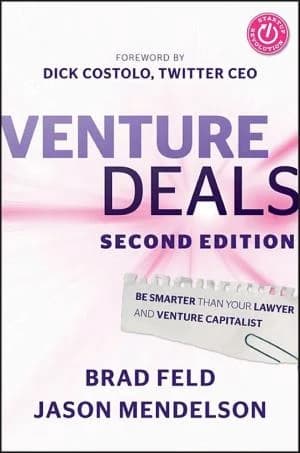
by Brad Feld; Jason Mendelson
Date read: 2025-11-25. How strongly I recommend it: 9/10
If you're raising money, one clean funding number beats a range every time.
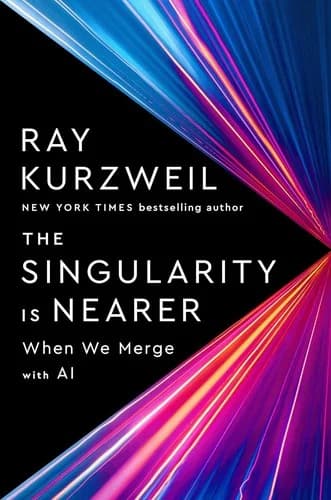
by Ray Kurzweil
Date read: 2025-05-09. How strongly I recommend it: 9/10
Kurzweil names a specific year when life extension stops being science fiction and starts being a personal decision.
by Ethan Mollick
Date read: 2025-11-07. How strongly I recommend it: 9/10
AI raises the floor for weak performers, so becoming a genuine expert matters more now, not less.
by Clayton M. Christensen
Date read: 2025-08-24. How strongly I recommend it: 9/10
Good managers lose to disruption because listening to customers and chasing profit are exactly the wrong moves.
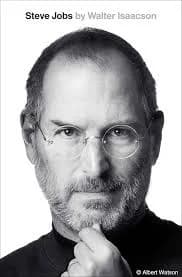
by Walter Isaacson
Date read: 2024-05-07. How strongly I recommend it: 9/10
Jobs built products by obsessing over simplicity and people; here is what that cost and what it built.
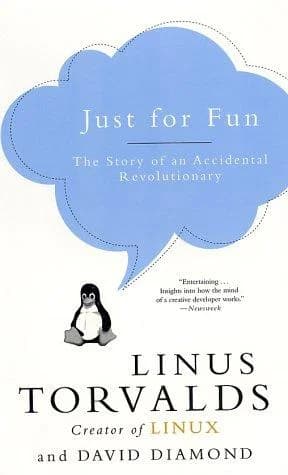
by Linus Torvalds; David Diamond
Date read: 2025-03-27. How strongly I recommend it: 8/10
Linus built Linux by accident and managed thousands of contributors without a plan; his approach to serious work is worth a look.
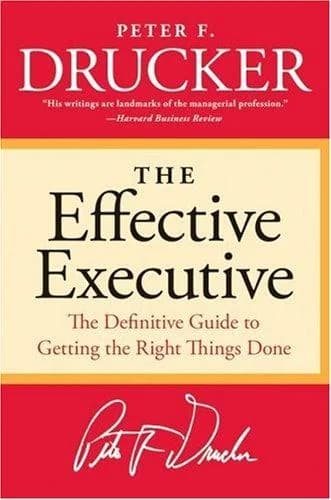
by Peter F. Drucker
Date read: 2025-09-03. How strongly I recommend it: 8/10
Effectiveness is a habit you can build, not a trait you either have or don't.
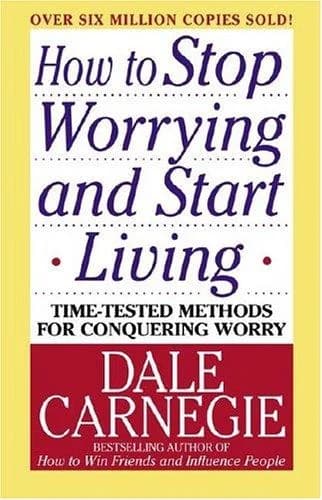
by Dale Carnegie
Date read: 2025-06-23. How strongly I recommend it: 8/10
A simple test for deciding when a worry has already cost more than it's worth.
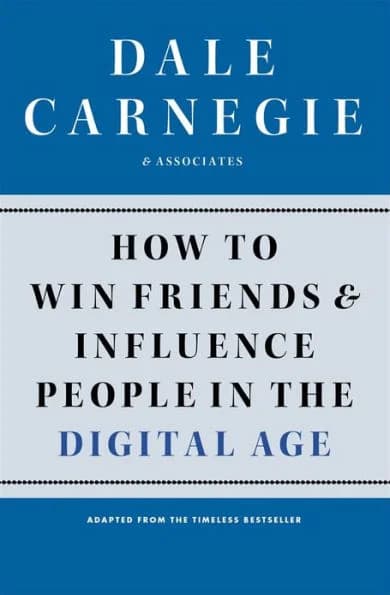
by Dale Carnegie
Date read: 2023-06-10. How strongly I recommend it: 8/10
One engineer's condensed notes on every principle in the most-cited people skills book.
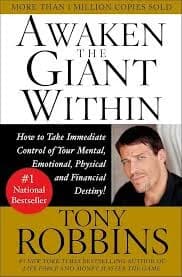
by Tony Robbins
Date read: 2025-08-16. How strongly I recommend it: 8/10
Bill Gates promised software he didn't have yet; committing first is what made him find a way.
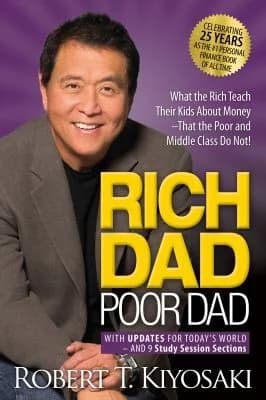
by Robert T. Kiyosaki
Date read: 2025-10-07. How strongly I recommend it: 8/10
One question tells you if your money is actually working for you or just passing through.
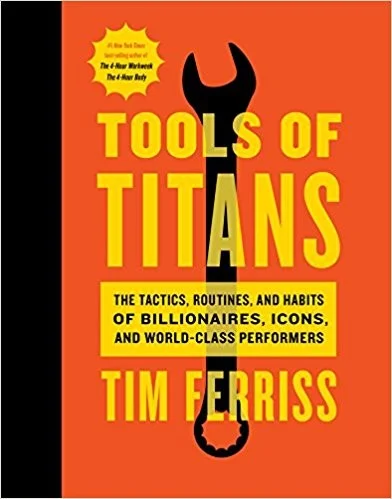
by Tim Ferriss
Date read: 2025-12-12. How strongly I recommend it: 8/10
A robotics engineer's filtered notes on which habits and career moves actually produce results.
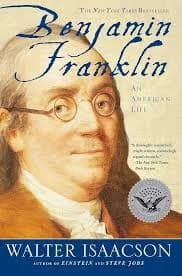
by Walter Isaacson
Date read: 2024-10-02. How strongly I recommend it: 8/10
Franklin stopped arguing and started asking questions; his career took off after that shift.